Don Pedro Áviles
The Power of the DogDon Pedro Áviles, the Sinaloan drug lord known as El Patrón, has ruled the region’s opium trade for half a century. His killing, carried out during an operation that Art Keller initially believes is an arrest, exposes the difference between the government’s public objective and the private transfer of power taking place around him. Don Pedro’s frailty makes the end of his life look almost small; the authority built over decades makes it anything but.
Identity and Background
Don Pedro Áviles has been running opium out of the mountains of Sinaloa for fifty years. His rise began with a deal made with Bugsy Siegel, who came to the region with Virginia Hill seeking a reliable heroin source for the West Coast Mafia. The arrangement gave the young Don Pedro leverage; he used it to establish himself as patrón, or boss, and retained that position for decades.
By the time Art Keller is sent after him, however, Don Pedro’s authority is slipping. Younger challengers have begun to contest the old boss’s standing, and violence has become common enough in Culiacán, Sinaloa for the city to be nicknamed Little Chicago. The conflict around Don Pedro is therefore not simply a pursuit of one fugitive. It is also a contest over whether an aging ruler can hold his place as newer powers gather around him.
The Campaign to Capture Him
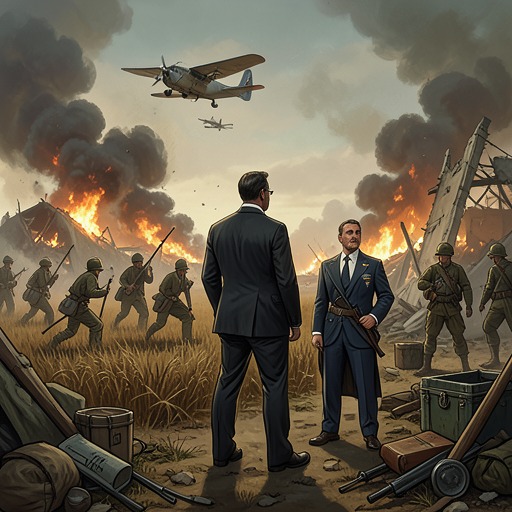
Don Pedro becomes the overriding target of the Drug Enforcement Administration during Operation Condor. The campaign has swept through the province with troops, aircraft, bombing, and defoliants; Art has been able to direct forces toward poppy fields, cookeries, and laboratories because he knows the terrain and the drug infrastructure intimately. Yet even after hundreds of thousands of acres of poppies have been destroyed and the Sinaloan opium trade’s infrastructure has been devastated, the agency remains fixed on capturing one man.
To Art, that fixation turns Don Pedro into a trophy meant to certify the operation’s success. The larger damage to the trade does not satisfy officials who want El Patrón himself. Intelligence teams chase rumors and arrive too late, while Art suspects that his superior, Tim Taylor, may care as much about preventing Art from getting Don Pedro as about capturing him. The old boss thus becomes both the stated prize of the campaign and a symbol in a struggle among the people directing it.
Escape and Assassination
As the valley burns, Don Pedro rides in the front seat of his Mercedes convertible while Güero Méndez drives along a dirt mountain road. They have climbed away from the burning valley; if they can get down the other side, Don Pedro believes he will be safe. Even in flight, he tells the driver to watch for holes in the road because the car is expensive. The detail briefly puts the old man’s concern for his property beside the danger closing around him, while Güero insists that they must get the patrón out.
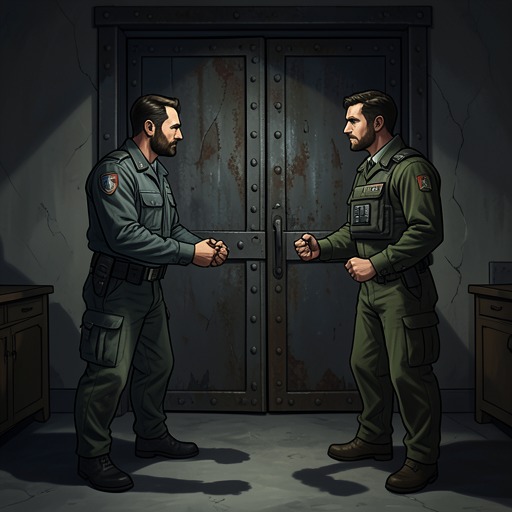
When Art finally sees him, Don Pedro appears exhausted and physically diminished: white stubble, sunken eyes, and a body Art thinks a strong wind could topple. Art feels that arresting him would almost seem cruel. Miguel Ángel Barrera, known as Tío, nods; his men open fire, and the bullets shake Don Pedro’s body. Art then understands that the encounter was neither an arrest nor an execution. It was an assassination. Tío holsters his pistol, lights a thin black cigar, and tells Art, “You got what you wanted.” The remark casts the killing as an answer to Art’s pursuit, even as Art recognizes that the operation has delivered something other than the arrest he expected.
Significance
Don Pedro’s death closes the career of a ruler whose power began with a cross-border heroin arrangement and lasted through a half-century of opium production. His authority has weakened before the final ambush, but the manner of his death makes the transition unmistakable: a campaign publicly organized around capturing him ends with his killing by the men involved in the encounter. The distinction matters. Don Pedro is not brought before the law as the emblem of the trade’s destruction; he is removed in a way that leaves the transfer of power and the purpose of the operation entangled.
The contrast between his frail appearance and the scale of the campaign also shapes his role in Art’s story. Art has directed a sweeping assault on the drug infrastructure, yet the demanded culmination is the old man himself. Don Pedro’s body becomes the endpoint of that pursuit, but not a clean measure of its success. His death makes visible the gap between dismantling an industry, capturing its ruler, and deciding who benefits when that ruler is gone.